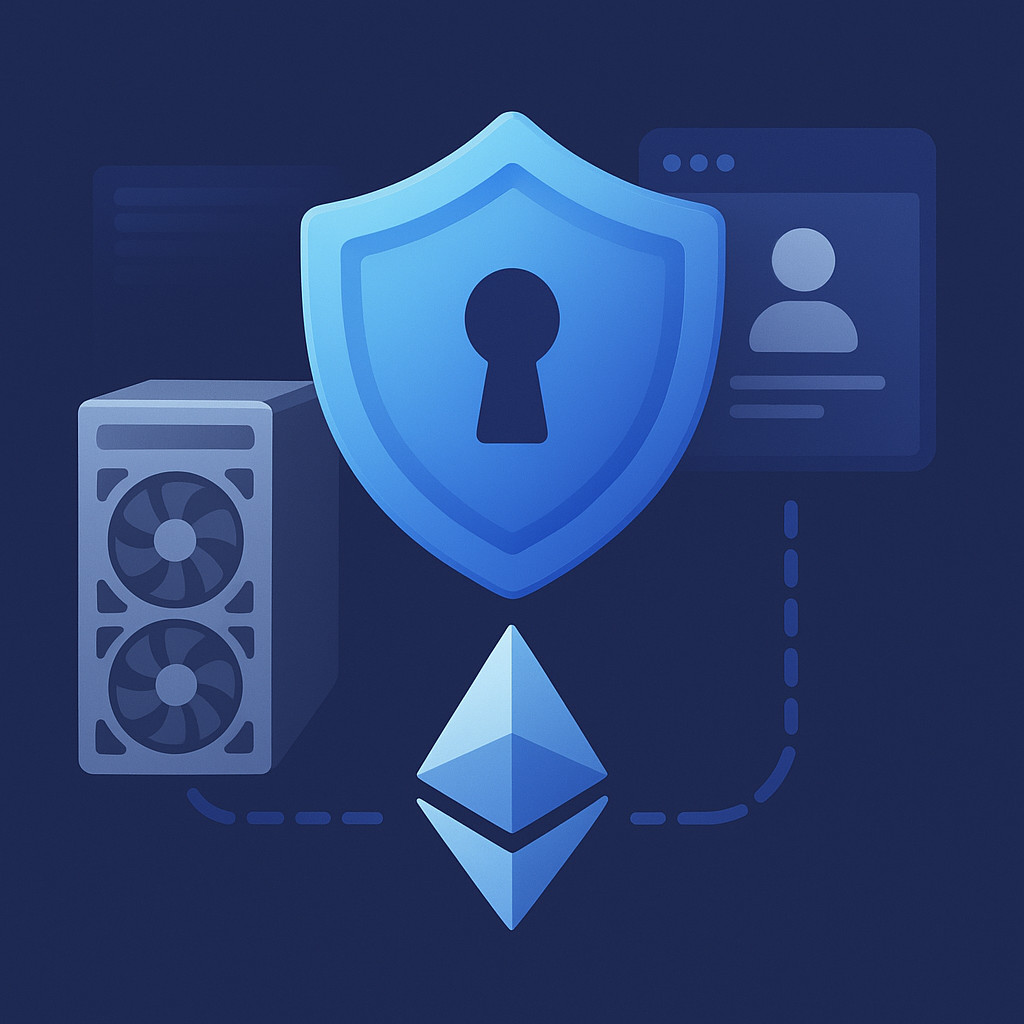
Not everyone has a crypto wallet on day one. Metahandle lets users start with familiar social logins and connect a wallet whenever they are ready.
Most people will not install MetaMask just to try a new app. The requirement to have a wallet before accessing Web3 services creates an enormous drop-off in user acquisition.
Metahandle solves this by separating identity from wallet ownership. You can have a metahandle and use it for logins before you ever touch a crypto wallet.
When you are ready to go deeper, you link your wallet to your existing metahandle. Your identity stays the same. Your history and credentials carry over seamlessly.
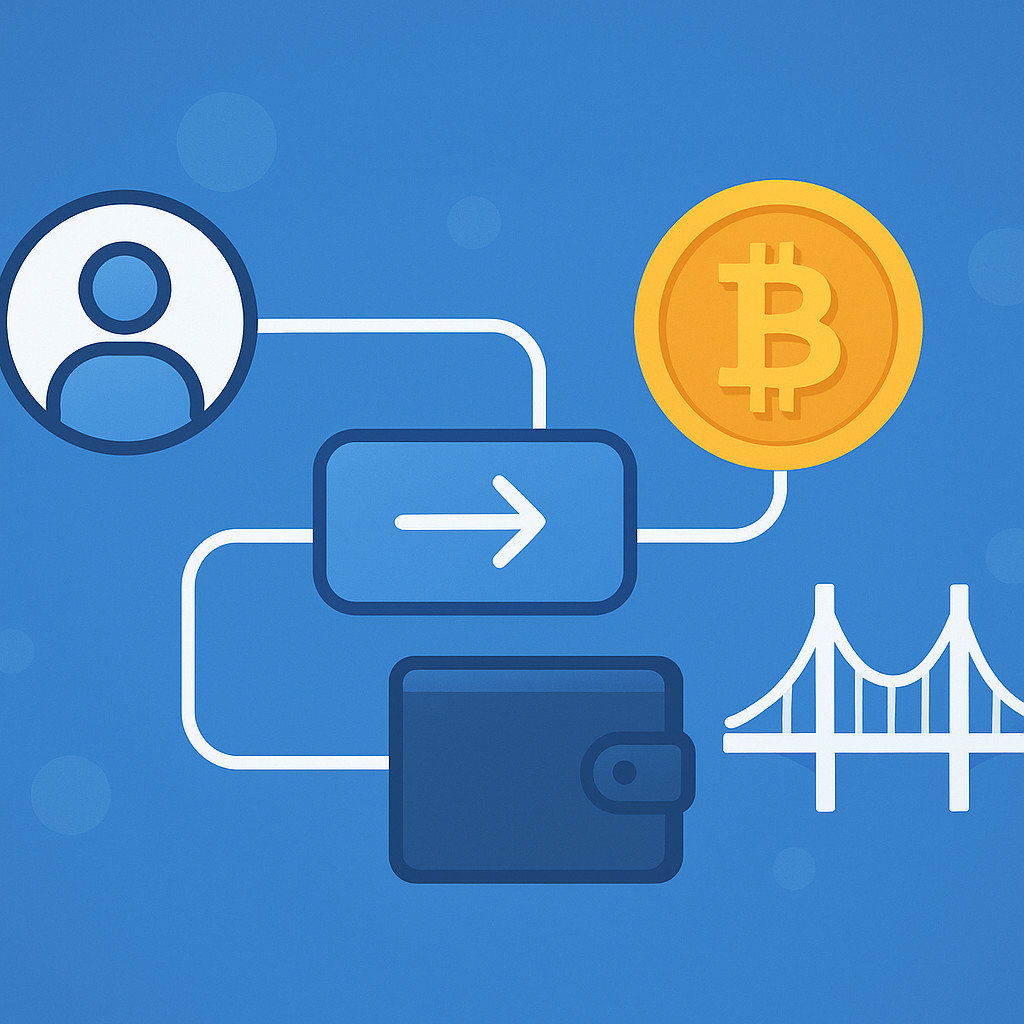
Sign up with your email, Google account or Apple ID. Metahandle creates your handle and a custodial identity layer that feels like normal Web2 login.
When you get a crypto wallet — MetaMask, Phantom, Coinbase Wallet or any other — you link it to your metahandle with a single signature. Nothing is lost.
Your handle now resolves to your wallet on every chain. You can log in via wallet signature or keep using social login — your choice at every step.
Projects like ENS integrated with Para have shown that wallet abstraction and social login can coexist. A user signs up with Google and gets an embedded wallet behind the scenes. The experience is smooth enough for mainstream adoption.
Metahandle applies this pattern universally. Instead of each dApp building its own hybrid system, they integrate metahandle once. The bridging layer is already built.
This is critical for bringing the next hundred million users into Web3. Complexity should live in the infrastructure. Users should only see a simple login button.
Metahandle does not lock you into one provider. Link any standard wallet and switch between them as your needs evolve.